


Planning and NEPA in the BLM

The BLM manages more than 245 million acres of America’s public lands and roughly 700 million acres of its subsurface mineral estate for the benefit of current and future generations.
We believe partnerships and inclusion are vital to managing sustainable, working
public lands. This means respecting the ties that communities have to these lands
by welcoming and valuing diverse views. We are proud of our strong record of taking local voices into account.
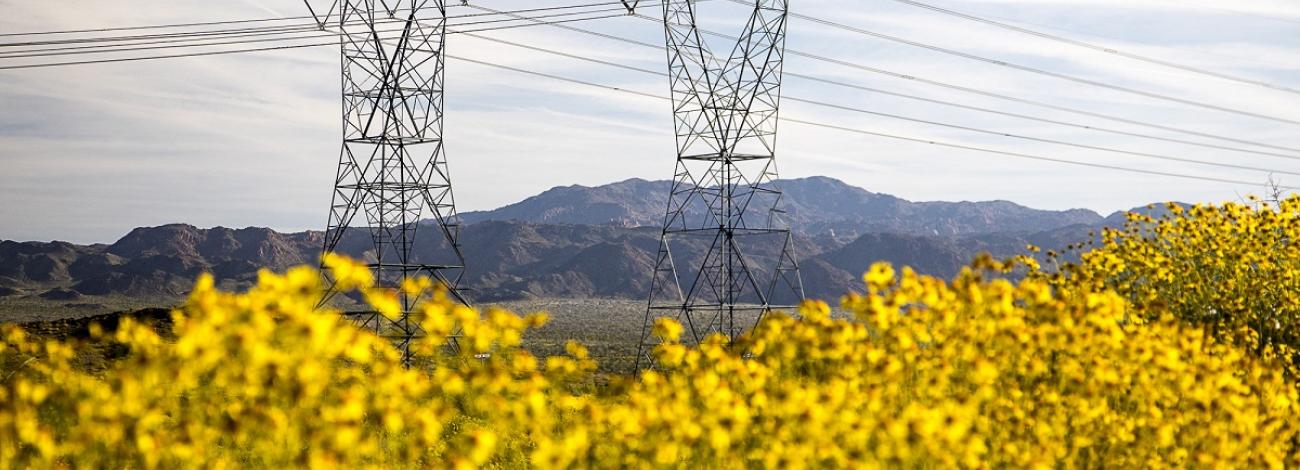
To guide our efforts, we develop resource management plans (RMPs) that serve as blueprints to keep public landscapes healthy and productive. These plans encompass highly varied terrain, from Alaska’s North Slope to California’s Mojave Desert,
to the open space surrounding many rapidly growing cities in the western U.S.
Proposed Land Use Planning Regulations
The Bureau of Land Management is proposing updates to decades-old land use planning regulations to cut unnecessary red tape, improve coordination with partners and speed up decision-making for public lands across the country. The proposed changes are intended to make the planning process more efficient, easier to understand and better aligned with current law and agency priorities. The proposed rule published in the Federal Register on November 10, 2026, for a 60-day comment period, which will end on January 11, 2027.
Public Involvement
Citizens, user groups and businesses can participate in crafting RMPs. State, county, local and Tribal governments can serve as cooperators in these efforts. Working with others helps us develop the best possible overall plans.
NEPA Reviews
We make sure that our RMPs meet the requirements of the National Environmental Policy Act (NEPA), either with detailed environmental impact statements, less complex environmental assessments or related documents. Most of these environmental reviews also offer the opportunity for public comment and participation.
Special Designations
Many RMPs include areas that are designated for special management, to provide for public recreation or to conserve a significant resource.

ePlanning
Looking for a resource management plan or NEPA document? Search and find them through the ePlanning Portal.